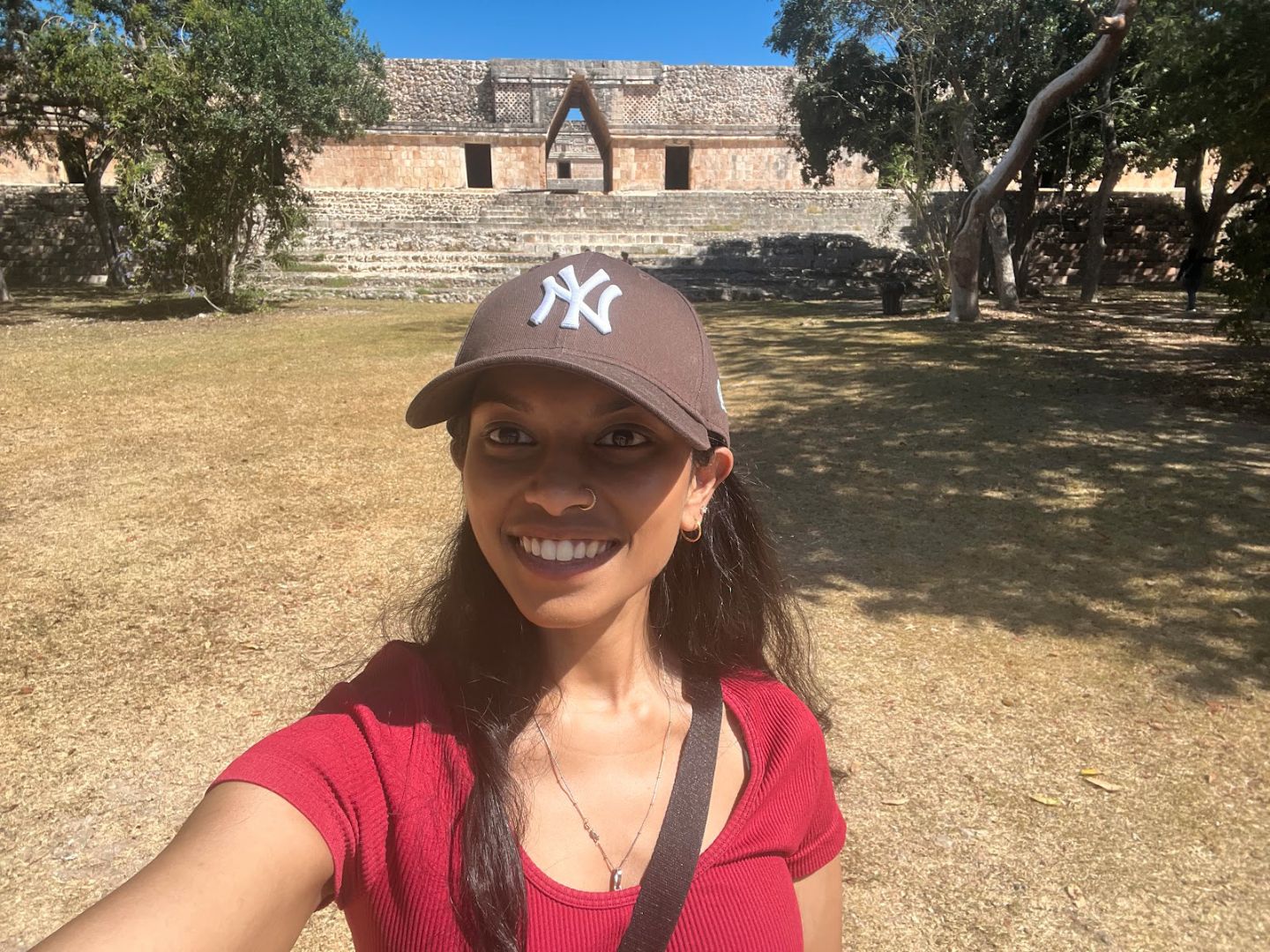
Then, we visited the stunning Cenotes, an underwater cave system of mineral-rich water with striking blue hues. As I swam into the dimly lit water system, the cool soft water felt like silk caressing my skin. The sound of the water dripping echoed 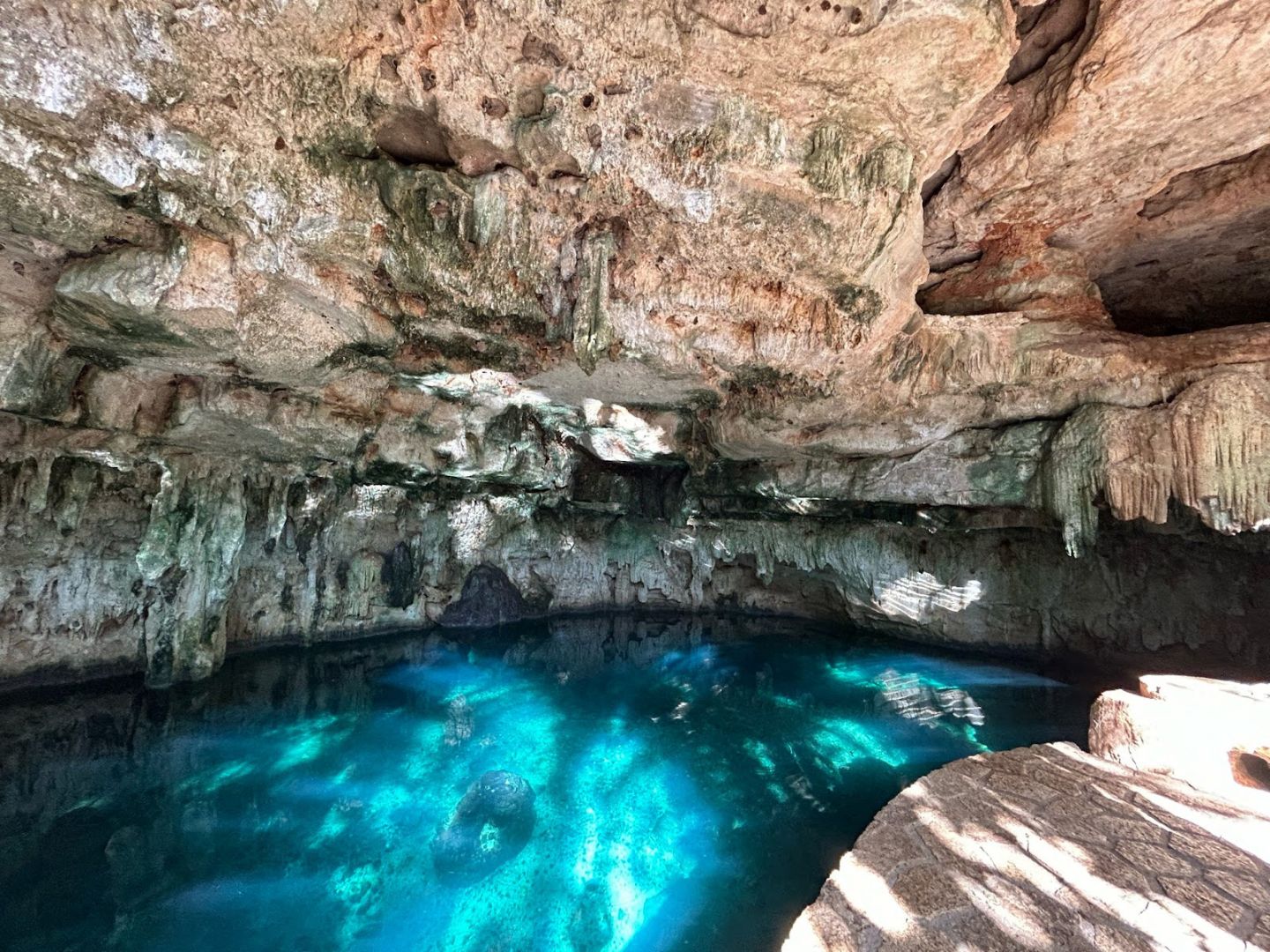
This study abroad experience also opened my eyes to how the core principles of holistically healing the body, mind, and spirit transcend borders. Dr. Gordon, a neuromuscular specialist, lectured on osteopathic manipulative therapy (OMM) and emphasized the importance of understanding the whole person, rather than making surface-level assumptions about behaviors. I witnessed how OMM could profoundly impact physical well-being through subtle adjustments that catalyzed emotional releases. This demonstrated how interconnected the body and mind truly are.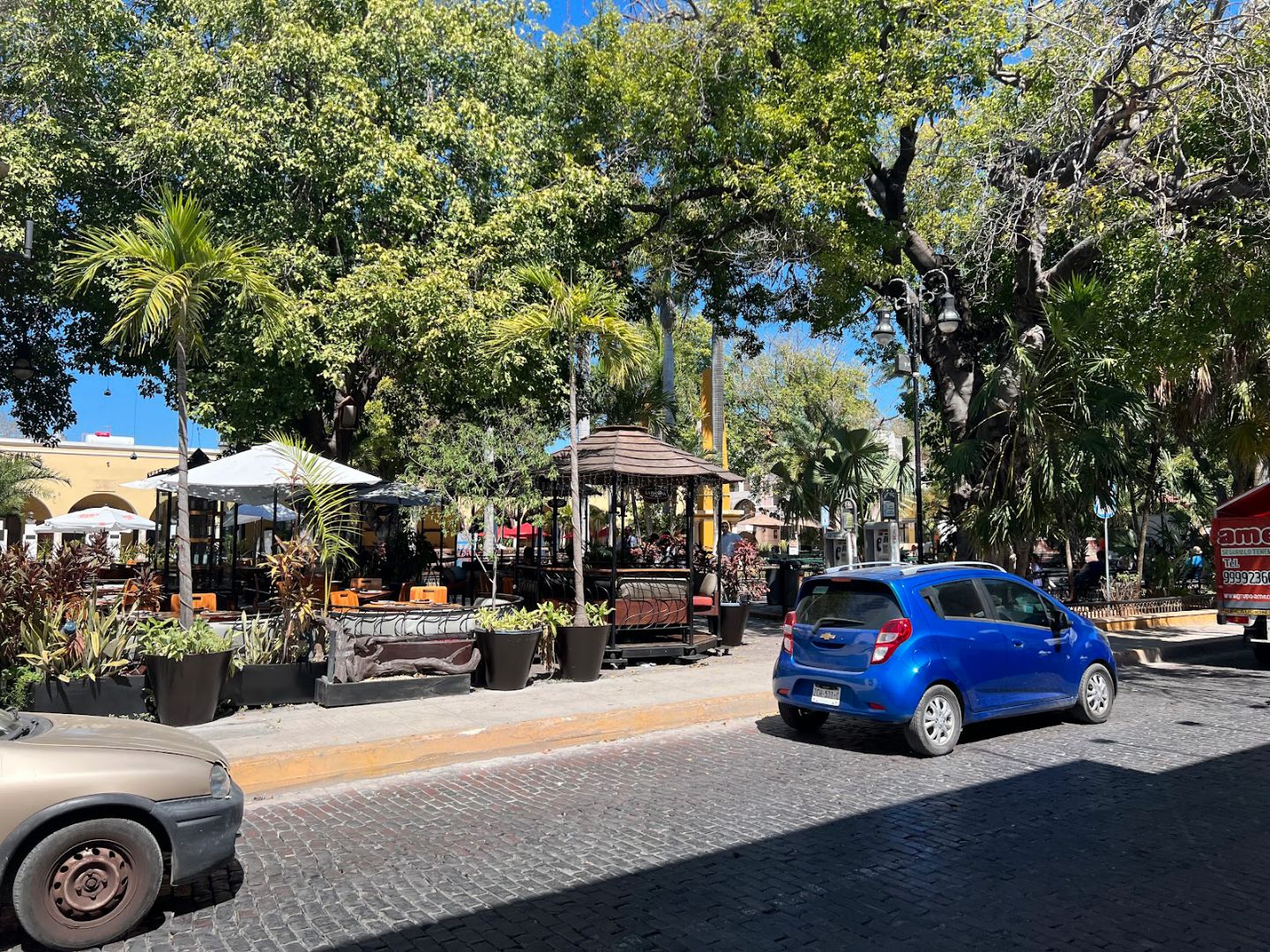
We saw cases where Dr. Gordon's techniques improved patients' quality of life: A 17-year-old partially paralyzed from bacterial meningitis had improved mobility and constipation after OMM treatments; A 4-year-old with cerebral palsy from a near-drowning experience showed noticeable improvements in and muscle tension through OMM techniques; A nurse dealing with chronic lower back pain obtained immediate relief through simple pressure-releasing manipulation techniques. Although there were all different conditions, the cases highlighted how Dr. Gordon's holistic, hands-on approach optimized the body's innate self-healing ability.
It was fascinating to witness how OMM essentially unlocked 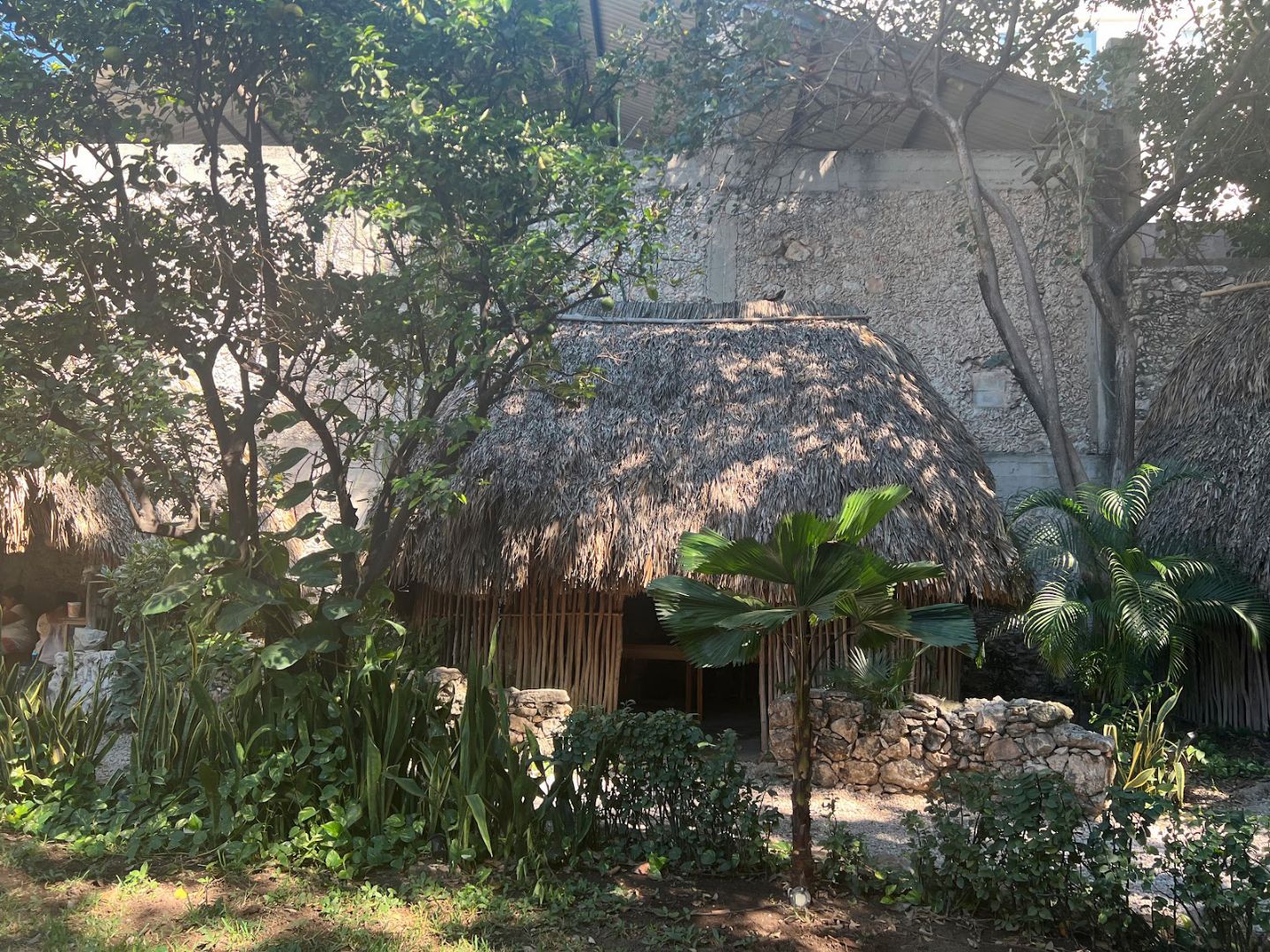
My drive to understand diverse healthcare systems was first sparked during childhood visits to India. When I was a young girl, I saw levels of poverty that I’d never imagined growing up in middle-class Michigan suburbs. Handicapped men wheeled their injured limbs on wooden carts at the train station, and I was told to look away from children asking for money in the dense oncoming traffic. I couldn’t comprehend how this complex society gave such insignificance towards suffering individuals. This is when I learned of India’s public healthcare system for citizens that live under the poverty line. Despite being free, this system faces challenges of underfunding, shortage of medical personnel, and lack of infrastructure.
Similarly, I saw this system in Mexico as well. For those under the poverty line, Mexico provides free or heavily subsidized rates for universal healthcare coverage. However, they too face issues of low resources, overcrowding, and insufficient medical professionals.
Due to the constraints seen in the public system, the proportion of the population that is able to afford it in both countries relies on private hospitals/clinics and out-of-pocket expenditure for better quality and faster access, especially among the middle and upper classes.
In conclusion, my immersive experiences in Merida, Mexico, alongside my exposure to the Mexican healthcare system, have deeply enriched my understanding of holistic healing and healthcare disparities. These experiences have not only broadened my perspective on a rich culture filled with beautiful history and traditions, but also underscored the critical importance of long-lasting, quality healthcare.
Name: Priyanka Gadam
Status: Junior
Major: Human Biology
Hometown: Novi, Michigan
Program: Community Medicine in the Yucatan
What is Asia Hub?
Best Practices for Equitable Partnerships
Asian Studies Center
Featured MSU Partner:
WEF Nexus Solutions